All Ireland Scholars
Creative Writing Competition 2026
Shortlist Announcement
We are delighted to announce the shortlist for the All Ireland Scholars Creative Writing Competition 2026!
This year’s competition received a substantial and impressive response, showcasing a remarkable diversity of themes and a strong commitment to craft among entrants.
We would like to extend our sincere thanks to our judging panel – Donal Ryan, Paul Lynch, Emily Cullen, EmerRose Kealy, – and to our chair, Sarah Moore Fitzgerald, for their time, expertise, and thoughtful evaluation of the submissions.
This judging panel were struck by the talent, creativity, empathy, insight, narrative flair and lyricism displayed across submissions.
From a very strong pool of entries, the judges selected eight outstanding pieces in each category – Poetry and Prose – which form the official shortlist for 2026.
Congratulations to all shortlisted writers and thank you to everyone who entered!
2026 Poetry Shortlist:
A Hard Frost by Emma Corcoran
A Sunny Afternoon in Phoenix Park by Sharon Morrissey
After The Last Box by Grace Carthy
Autumn by Laura Reynolds
Calling Back by Ross Gallagher
News Recycle by Emmet Harrison
The Conservatory by Brian Dixon
The Heavens Opened by Ally Hilliard
2026 Prose Shortlist:
A Half Decent Bottle of Wine by Chris McGrillen
A Lesser Dancer by Laura Reynolds
An Stad Deireanch by Daniela Rana
Hangover by Rosemary O’ Dowd
Late by Emma Corcoran
Primordial Soup by Holly Langan
The Boy at the Line by Paddy Falvey
The Pledge by Peter Silke
Stay tuned for the announcement of the winners next week!
Winners Announcement
The winners have been announced!
From a highly competitive shortlist, the judges selected three outstanding winners in each category. Congratulations to our deserving winners and to all those who took part in this year’s competition.
Poetry Winners
First Prize – Calling Back by Ross Gallagher
This is a tender, richly evocative poem. Capturing the speaker’s close relationship to their granddad, through the gesture of a hug, and vividly conjuring the domestic setting of his cosy home, the poem also chimes with melodic half-rhymes and internal rhymes. Calling back is heartfelt and full of affection, memory and love, delivered with real perceptiveness and anchored with authentic detail.
Second Prize – Autumn by Laura Reynolds
This big-hearted poem is suffused with vibrant life and with the lyric epiphany of a poet who calls our attention to the beauty of dying nature and the miracle of the wheeling seasons. The speaker’s energy and gratitude, ‘like second date butterflies’ is truly infectious.
Third Prize – After The Last Box by Grace Carthy
This graceful, formally accomplished poem evokes a moment of flux in an emptied room in lines that conjure a state of liminality without sentimentality.
Prose Winners
First Prize – Primordial Soup by Holly Langan
A late August day by the sea becomes something rich and transcendental as a group of schoolgirls momentarily dissolve in the water before emerging renewed, leaving the reader with the precise feeling of summer-holiday release. The writing is tactile and vivid, its sensory detail capturing the heat, salt, and textures of the shore with great immediacy and fidelity.
Second Prize – An Stad Deireanach by Daniela Rana
A train journey towards Dublin becomes a passage through life, with the narrator moving from childhood innocence into youth and adulthood. The piece is playful yet poignant, effortlessly compressing a lifetime into a single journey while reflecting on the parts of ourselves that we lose to time.
Third Prize – A Half Decent Bottle of Wine by Chris McGrillen
A narrator encounters a flowered memorial for a young woman killed in a traffic accident and soon finds himself buying roses to place beside dying lilies. The story is economical yet evocative and opens the reader to reflections on life and death, the rituals of public grief, and how quickly the living move on.
Congratulations again to all entrants and thank you to everyone who took part in the 2026 competition!
Judging Panel
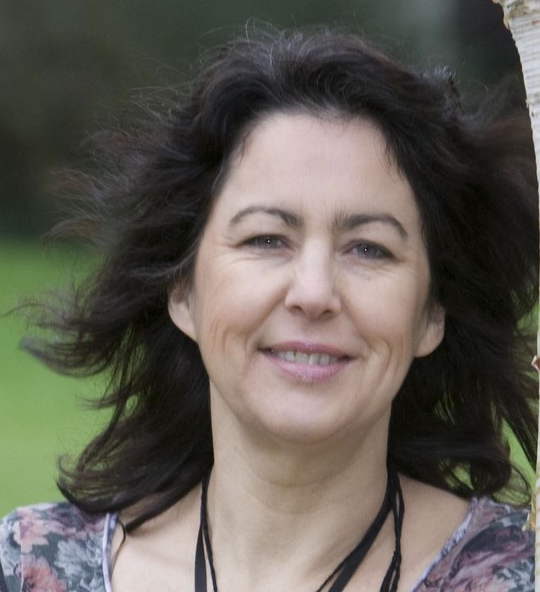
Prof Sarah Moore Fitzgerald
Chair
Sarah is a professor, researcher and teacher at UL with a background in psychology and pedagogy. She was awarded her professorship in 2016 and has been recognised for her sector-wide impact on enhancing teaching and learning throughout Ireland’s higher education sector. She’s a lifelong writer and has published seven novels for children and young adults. Her work has been shortlisted for many awards, and translated into over twenty languages. Her shorter work has appeared in The London Magazine, Splonk The Guardian and The Irish Times.
Paul Lynch
Paul Lynch is the Booker Prize–winning author of five internationally acclaimed novels: Prophet Song, Beyond the Sea, Grace, The Black Snow, and Red Sky in Morning. He won the 2023 Booker Prize for Prophet Song and has received, or been shortlisted for, numerous other international awards. In 2024, he was appointed Distinguished Writing Fellow at Maynooth University and elected to Aosdána, the Irish academy of artists. In 2025, he was awarded an Honorary Doctorate of Letters by the University of Limerick for his “remarkable contributions to literature” and was named a Chevalier des Arts et des Lettres by the French Ministry of Culture. His fiction has been translated into over 40 languages.
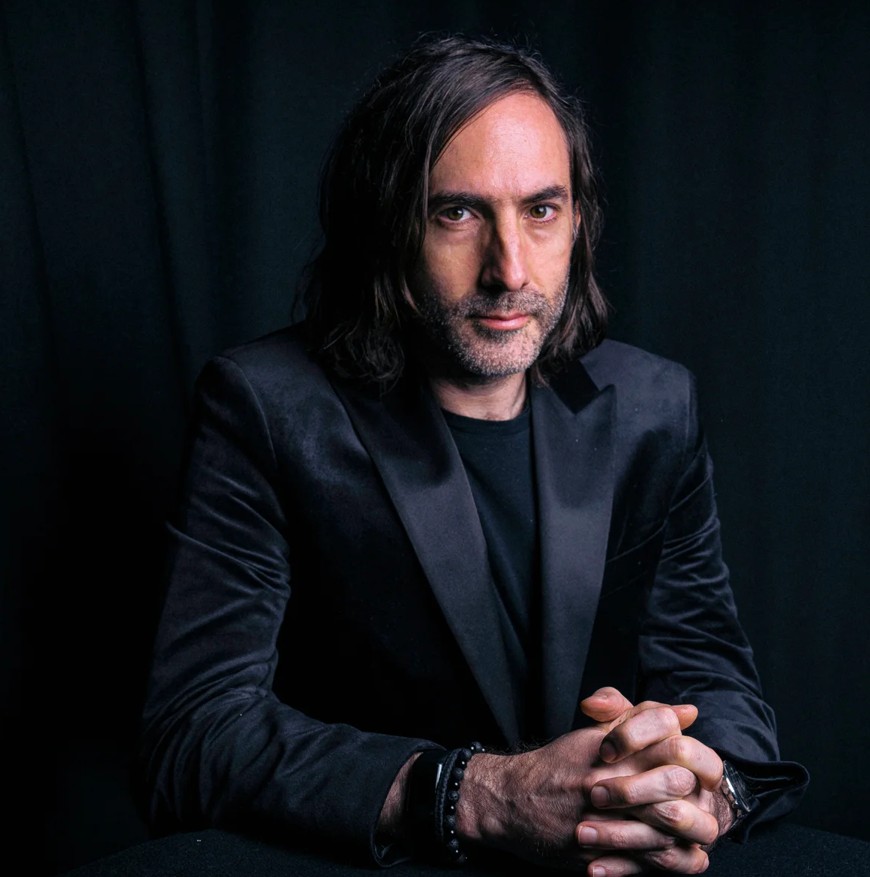
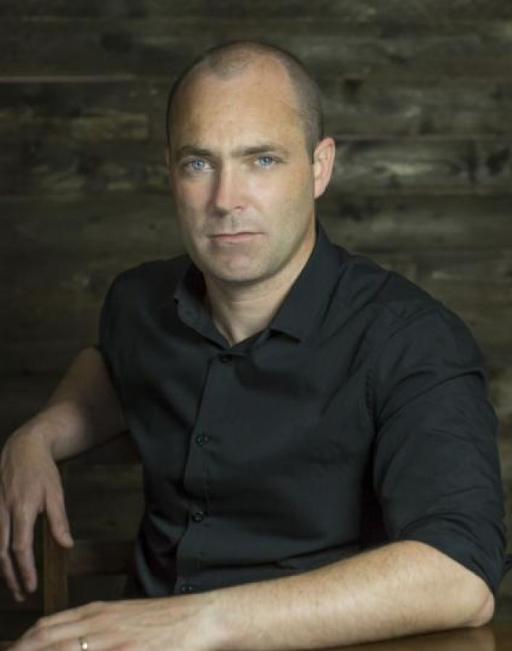
Prof Donal Ryan
Donal is an internationally renowned, much-loved and award-winning Irish writer. His debut novel ‘The Spinning Heart’ was sensationally received, longlisted for the Booker, and marked the beginning of his stellar literary career. Donal’s writing is praised for its lyrical prose, its compassionate portrayal of characters, and its exploration of contemporary Irish life. He is one of Ireland’s most talented contemporary authors. His novel Heart, Be At Peace won the 2024 An Post Book of the Year, and the 2025 Orwell Prize for Political Fiction. He is a core member of the creative writing teaching team at the University of Limerick.
Dr Emily Cullen
Emily is the inaugural Meskell UL-Fifty Poet in Residence at the University of Limerick, where she teaches and lectures on the UL’s MA in Creative Writing. Her third collection, Conditional Perfect (Doire Press, 2019), was included in The Irish Times round-up of “the best new programme. She has published three collections of poetry of 2019.” Emily and in 2008 was awarded an IRC fellowship for her doctoral research on the Irish harp. She gained a PhD in English from NUI Galway in 2008. Emily frequently publishes essays on Irish music and cultural history, as well as on modernist and contemporary poetry. She has served as Arts Officer of the University of Galway (1999-2002), Director of the Patrick Kavanagh Centenary (2004) and Director of Cúirt International Festival of Literature (2017-2019). Twice nominated for the Pushcart prize, her poetry explores themes of history, social justice, ecology, music and the female experience.

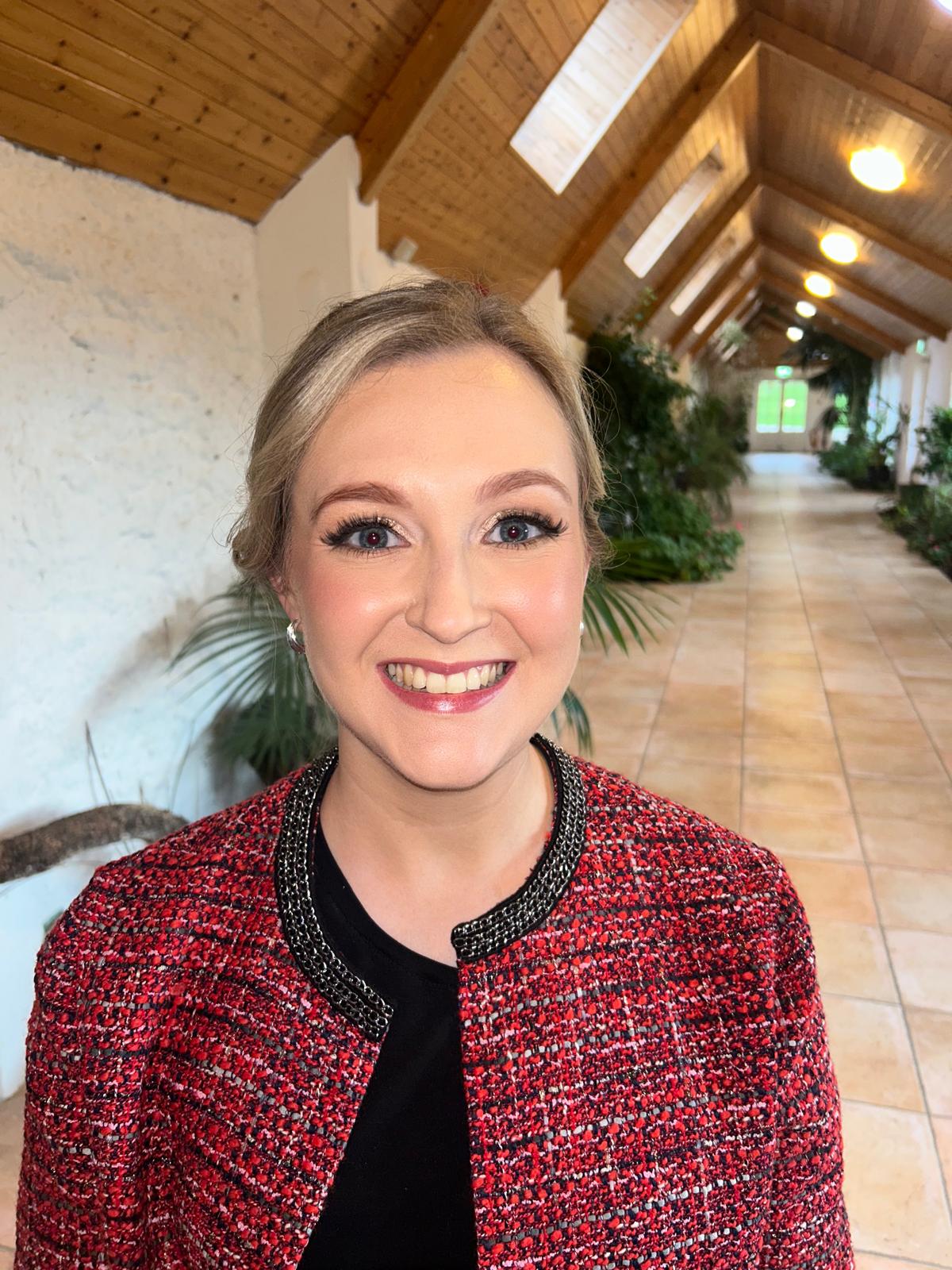
Dr EmerRose Kealy
EmerRose received her All Ireland Scholarship in 2017 and went on to study Medicine in the Royal College of Surgeons in Ireland (RSCI). She graduated from RCSI in May 2022 and continued her training as a GP with the Irish College of General Practitioners.Also, a wonderful writer, EmerRose was selected as last year’s overall winner of the 2025 All Ireland Scholarships Creative Writing Competition for her short story The Crown. Emer’s experience as a recent winner of the competition will add an invaluable element to the judging dynamics this year. We’re delighted she is joining us.